By: Sam Gutherie
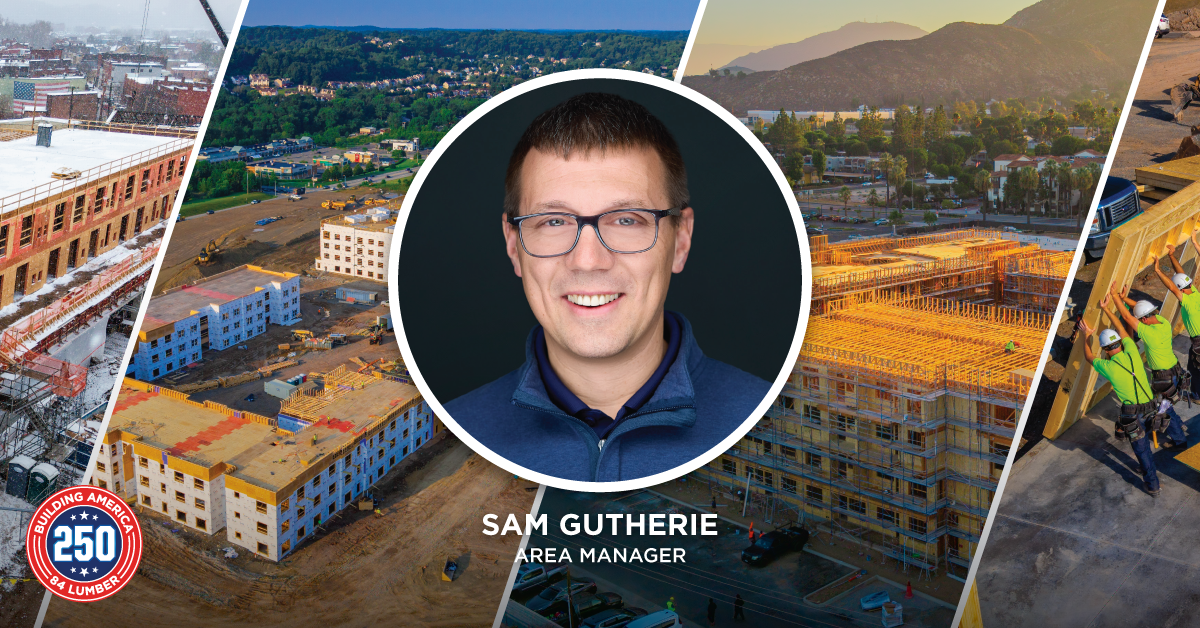
As we get closer to America’s 250th anniversary, I’m thinking about what it really means to help build this country. At 84 Lumber, the Building America250 campaign is about recognizing the people, partnerships, and everyday work that shape our communities, and I’m proud to be a part of that story.
I’ve been with 84 Lumber since 2001, but construction has been part of my life for as long as I can remember. I grew up working in the industry, learning the materials and the process from the ground up. When I joined the Manager Trainee program, I brought that hands on experience with me, and over the years I’ve had the opportunity to work in different markets and take on new challenges that have shaped how I approach the business today.
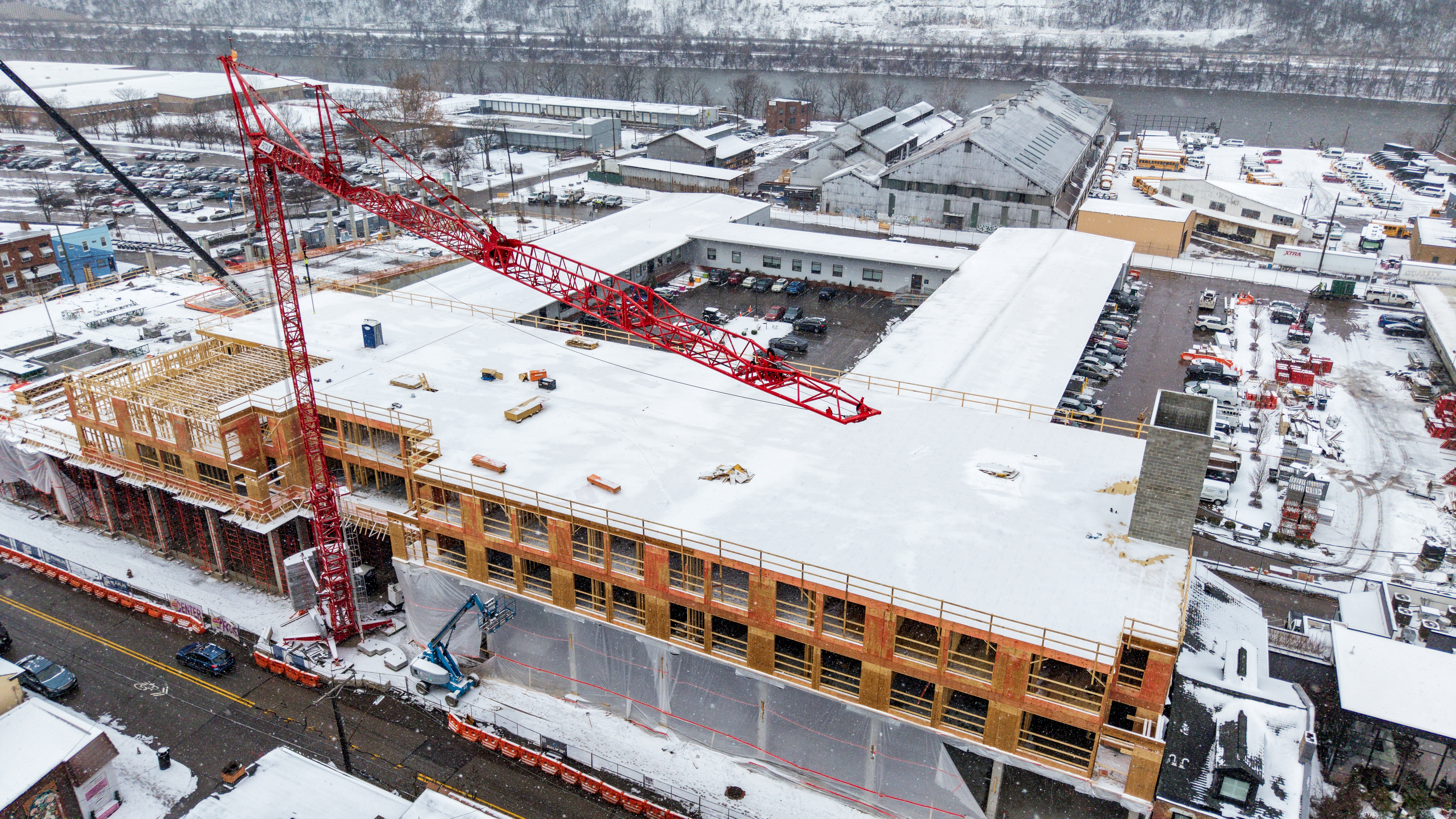
In my current role overseeing multifamily hubs across the central region, no two days are the same. I spend time reviewing bids, working through value engineering opportunities, meeting with developers, coordinating with project teams, and visiting active job sites. Through it all, one thing remains consistent. We are not just supplying materials. We are part of the process from beginning to end.
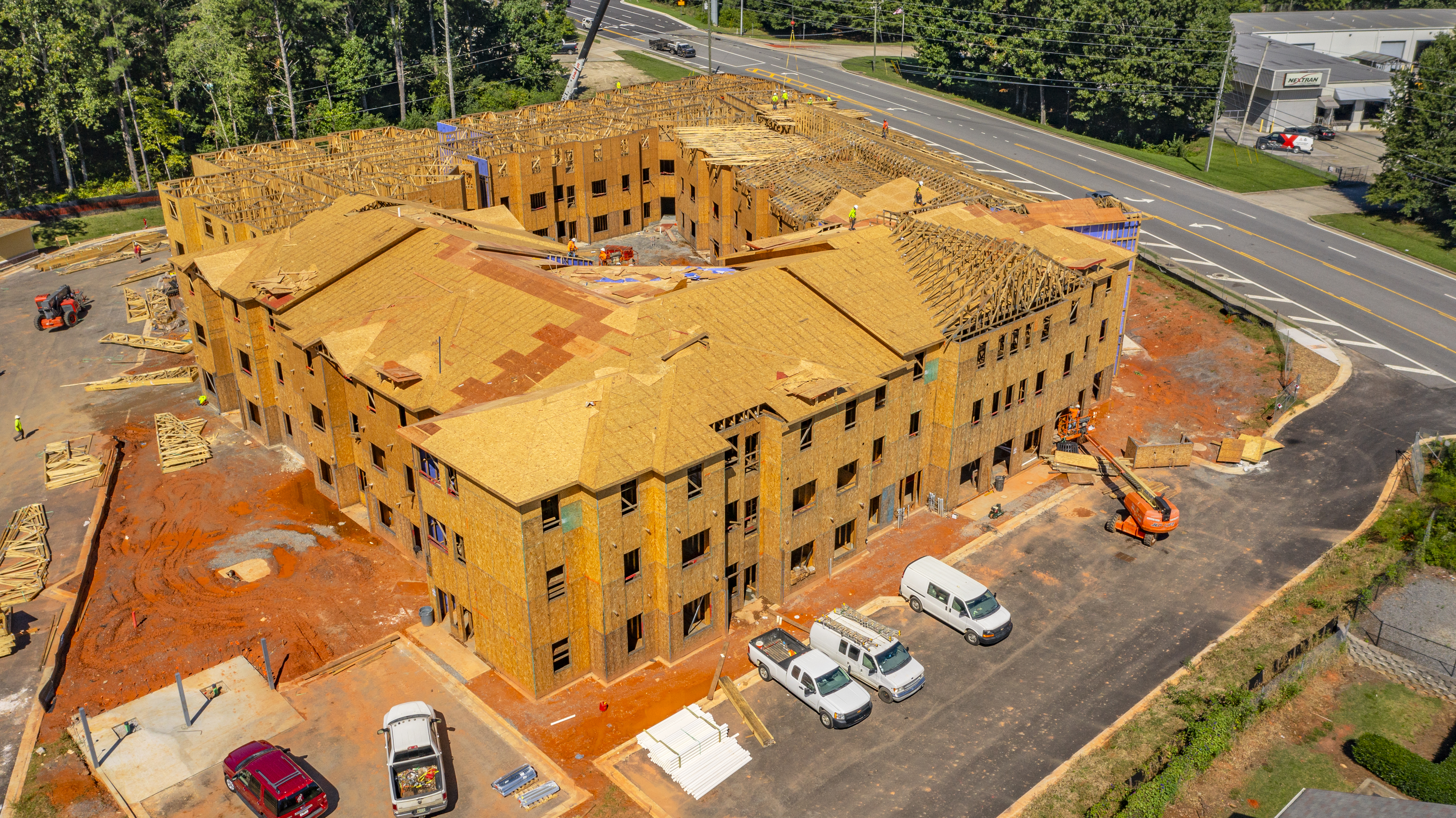
That is where vertical integration really comes into play. When more of the development process is handled within one system, from early planning through construction and execution, it creates a level of visibility and control that is hard to match. Builders can move faster, make more informed decisions, and avoid costly surprises. It also reduces the markups and inefficiencies that come with relying on multiple outside vendors, which ultimately helps manage costs and improve overall outcomes. At 84 Lumber, our teams and tools are built to support that kind of connected approach, helping customers manage their pipeline in a way that keeps projects moving forward with fewer disruptions.
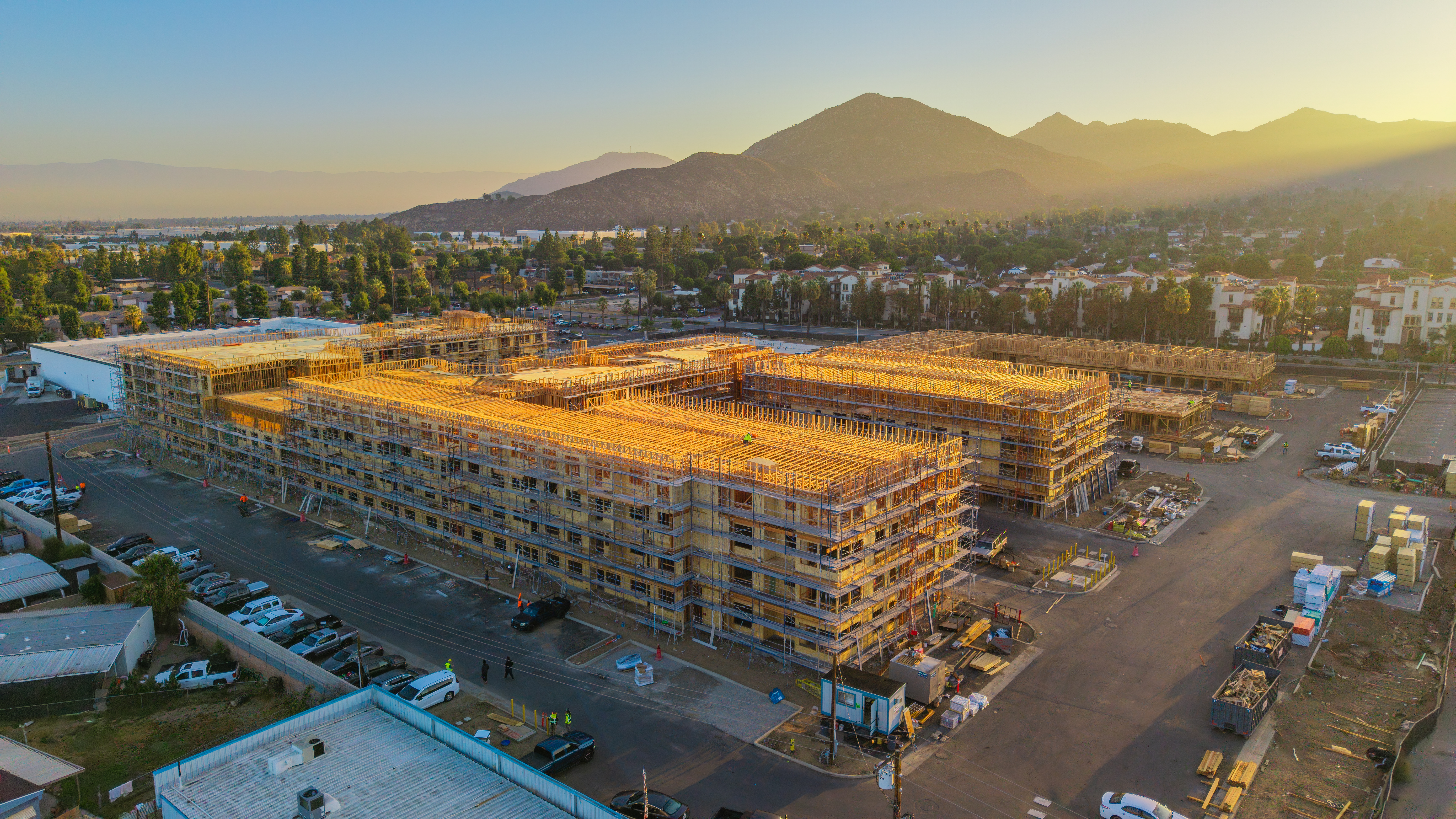
In the multifamily space, relationships are everything. We are often involved early in a project, sometimes at the conceptual stage, working alongside builders to refine designs, identify efficiencies, and keep budgets in check. Those partnerships go beyond materials. In many cases, we are also providing labor, coordinating framing, installation, and other key scopes. That level of involvement requires trust and strong communication, especially because construction projects are complex and challenges are inevitable. What matters most is how those challenges are handled, and our focus has always been on working through them together and keeping projects on track.
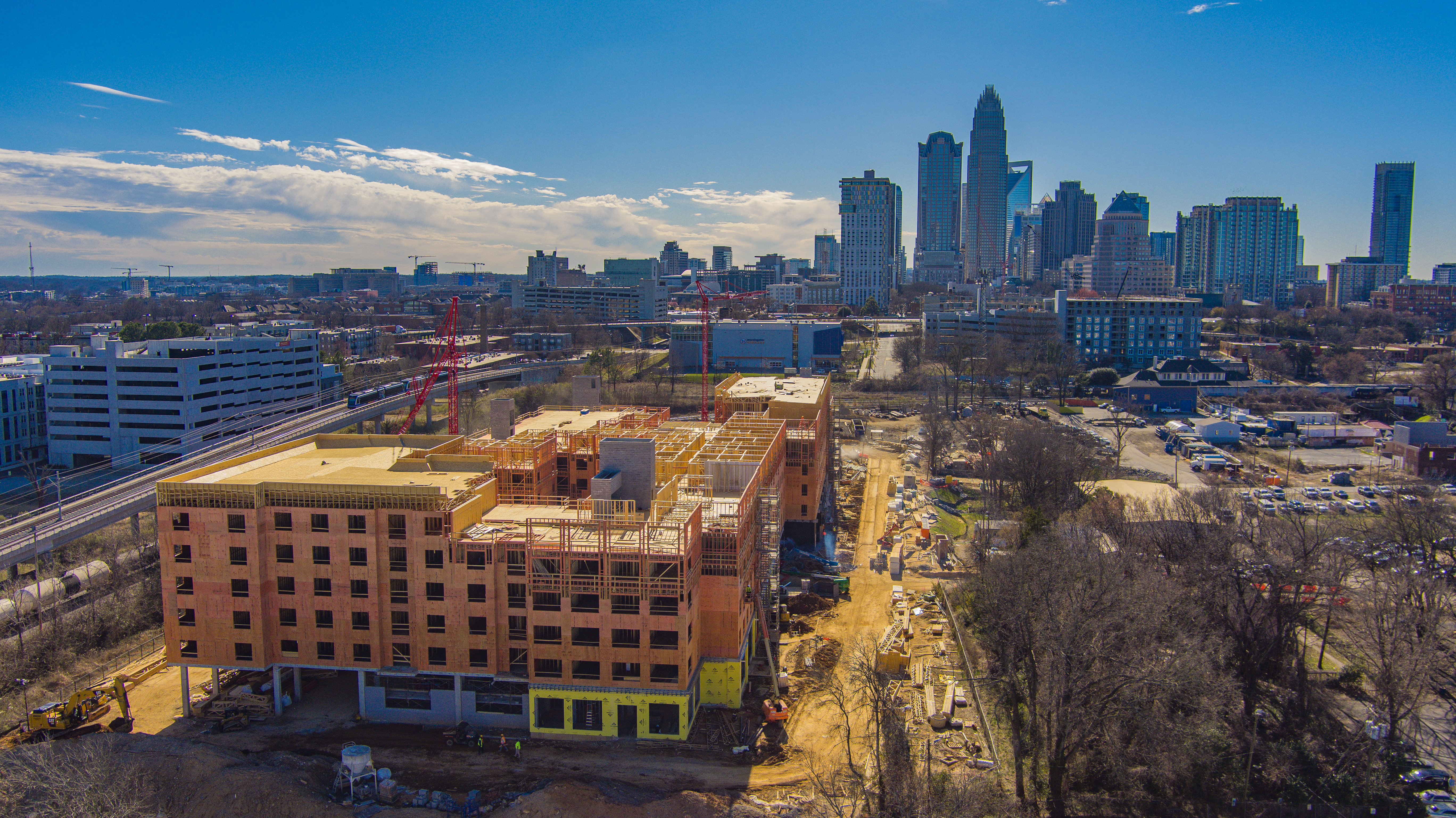
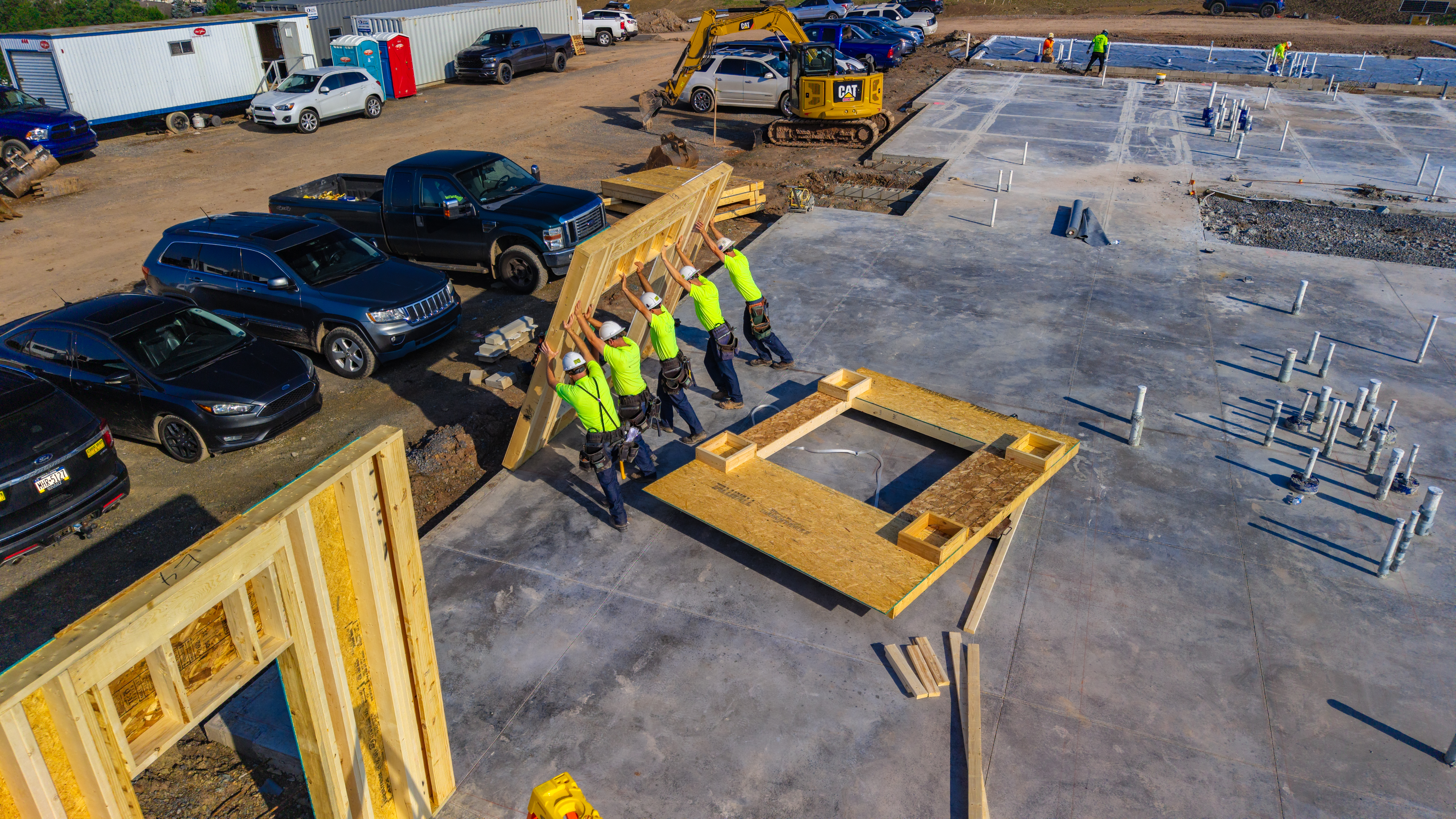
The industry today is facing some real pressures, especially when it comes to rising costs and labor shortages. Labor availability continues to be a major challenge across many markets, and in some cases crews travel long distances just to meet demand. To help address that, we have embraced more efficient building methods like panelization. By constructing wall systems off site in a controlled environment, we can improve consistency, reduce the amount of labor needed in the field, and help accelerate project timelines. It is a practical solution that reflects where the industry is heading and another example of how a more integrated approach can drive efficiency.
Over the course of my career, I have seen the multifamily market evolve in a lot of ways. Projects today are more complex, particularly in urban areas where space is limited and coordination is critical. At the same time, expectations have grown when it comes to design, materials, and overall aesthetics. Multifamily living itself has also changed. Developments are being designed with community in mind, offering shared spaces and amenities that make them more than just places to live. They are places where people can connect and build a sense of belonging.
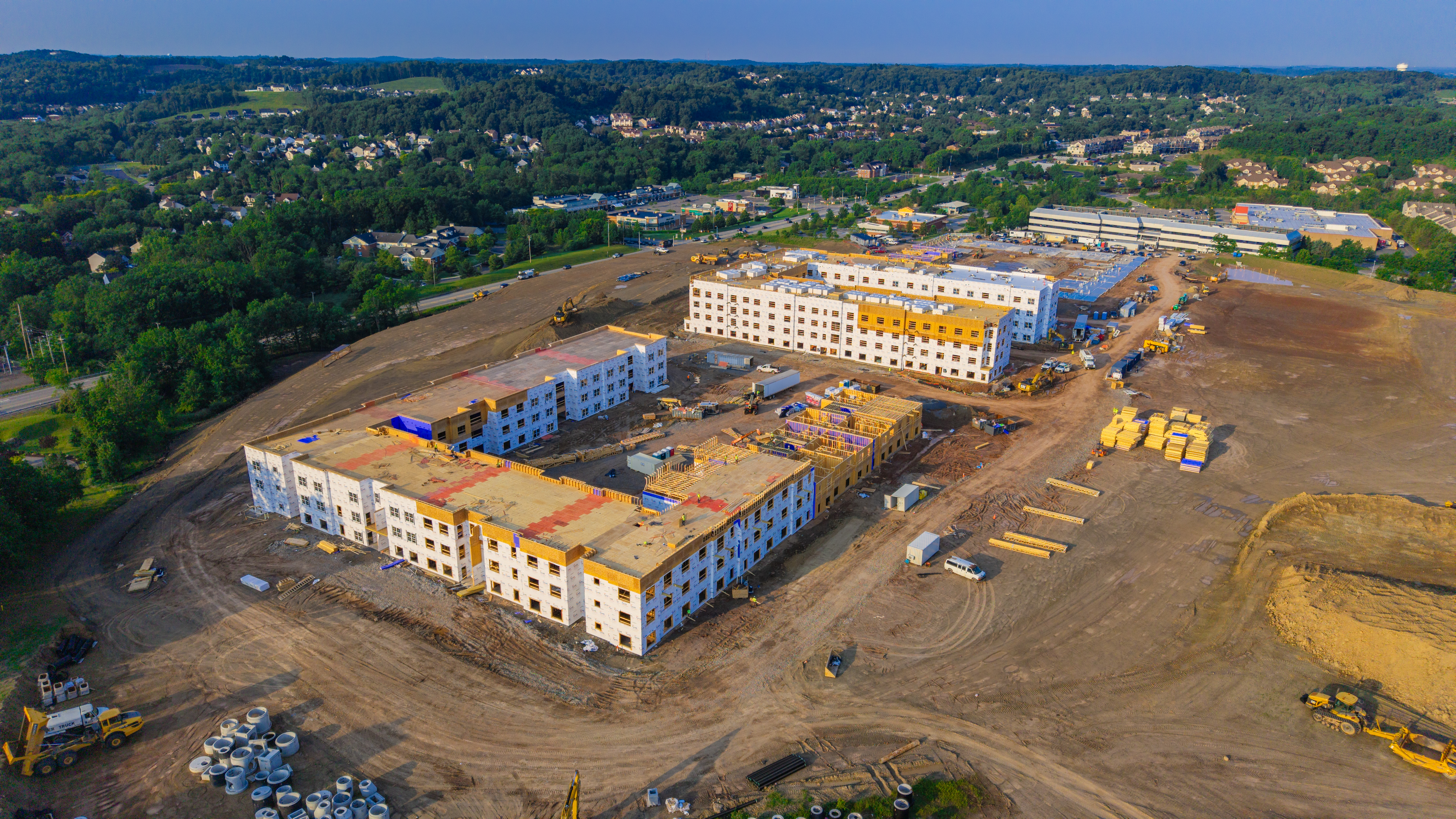
Looking ahead, it is clear that the industry will continue to move toward more efficient and streamlined ways of building. Preconstruction planning, integrated processes, and innovative building techniques will all play a role in meeting demand and managing costs.
For me, being part of this industry and part of the Building America250 campaign is about more than any single project. Every development contributes to something bigger. It creates opportunities for workers, supports local economies, and provides homes for individuals and families. The impact reaches far beyond the jobsite.
At 84 Lumber, we are proud of the role we have played in helping build this country, and we are focused on what comes next. For those of us on the front lines, it comes down to showing up every day, working with strong partners, and continuing to find better ways to build. Because in the end, building America is not just about structures. It is about the people behind them and the communities they help create.